
Perennials or Groundcovers · Other Families
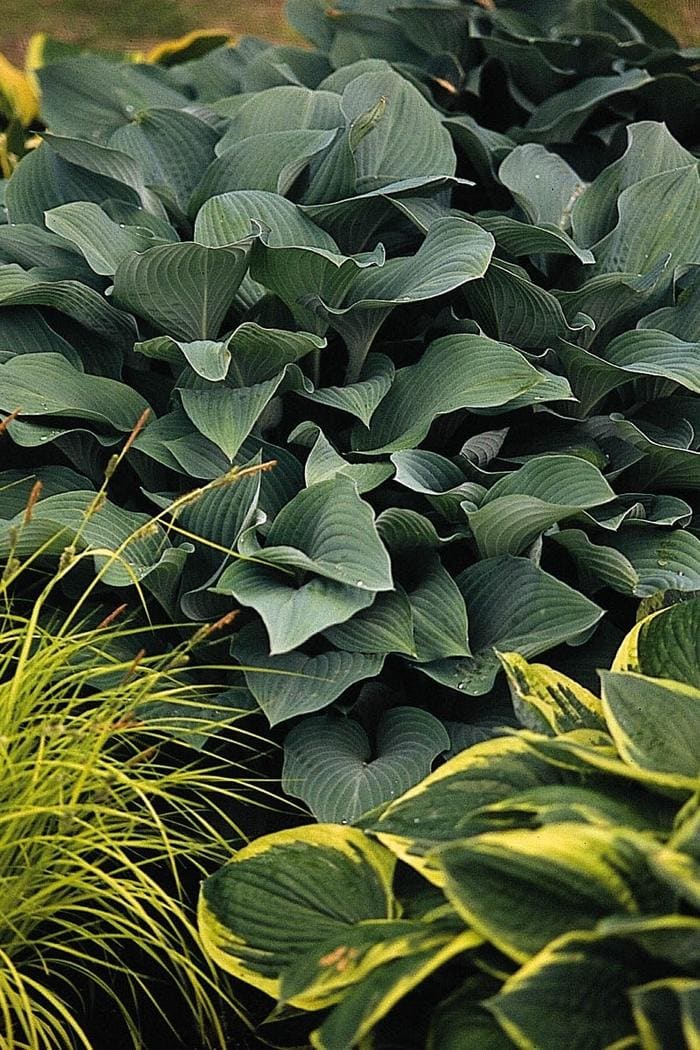
Krossa Regal Hosta
Hosta 'Krossa regal'
In USDA zones 7b–8a around Raleigh, Durham, and Cary, Krossa Regal Hosta is a perennial or groundcover used in Triangle yards when mature size, sun, and drainage fit the bed. Piedmont clay rewards a wide planting hole, a slightly high crown, and steady first-season water. Fall planting is the usual window here; water through the first summer no matter the calendar.
Add to plant request
Choose a container size to add this plant to your request. We confirm pricing and live stock before invoicing.
Key facts for the Triangle
- Botanical name
- Hosta 'Krossa regal'
- Common name
- Krossa Regal Hosta
- Plant type
- Perennials or Groundcovers
- Group
- Other Families
- Hardiness here
- USDA 7b–8a (Raleigh–Durham Triangle)
- Light
- Match the site; confirm hours of direct sun
- Water
- Deep, consistent water while establishing
- Soil
- Well-drained
- Leaf habit
- See overview
- Best planting window
- Fall (October–November) in the Piedmont; spring after frost as backup
Overview
Krossa Regal Hosta is a perennials or groundcovers selected for landscape use where its mature habit, ornamental traits, and site preferences fit the planting area.
Common questions
Is Krossa Regal Hosta a good plant for Raleigh and the Triangle?
Yes—when the site matches its light and drainage needs. Krossa Regal Hosta is used in Raleigh, Durham, and Cary landscapes in USDA zones 7b–8a. Confirm mature width, overhead wires, and how wet the Piedmont clay stays after storms before you plant.
When should I plant Krossa Regal Hosta in North Carolina?
Fall (October–November) is the safest window for Krossa Regal Hosta in the Piedmont: soil is still warm, air is cooler, and roots can grow before summer. Spring after the last frost works if you can water deeply through the first hot season.
Will Krossa Regal Hosta grow in Piedmont clay?
It can, with careful planting: wide hole, crown slightly above grade, and no water sitting on the root flare. Heavy, poorly drained clay is the usual failure mode—not summer heat alone.